
The Future of Wearable Technology in the Workplace
Opportunities, Risks & How to Make Sense of It 700+ attendees. 70+ speakers. 30+ exhibitors.
Read more
Workplace audiometric testing is required by the many state Health and Safety regulations. Audiometric testing is recommended on an annual basis. It is recommended that annual audiometric testing be undertaken particularly when there is potential exposure to ototoxic agents or hand arm vibration (HAV).
Before a worker commences their position in a noisy environment, Audiometric testing should be conducted, or at least within 3 months. This is to establish whether a person may have significant hearing loss that may otherwise be wholly attributable to their prior employment. Pre-employment audiometric testing is essential to assist in limiting liability and workers compensation premiums resulting from noise induced hearing loss.
Audiometric testing is a simple procedure where a series of tones are presented to a person to which they respond, indicating that the person has heard a tone.

Initially an Employ Health representative will conduct sound testing for the nominated rooms at the workplace. Once a room passes the ANZ regulated requirements the space can be set up with the appropriate equipment to test employee hearing. The worker can then be set up in this room for the hearing tests to be conducted.

The tones are presented at different sound levels to then record the lowest level at which a person can hear. This is called the threshold limit. The audiometric testing is conducted for different frequencies and for the right ear and then the left ear.
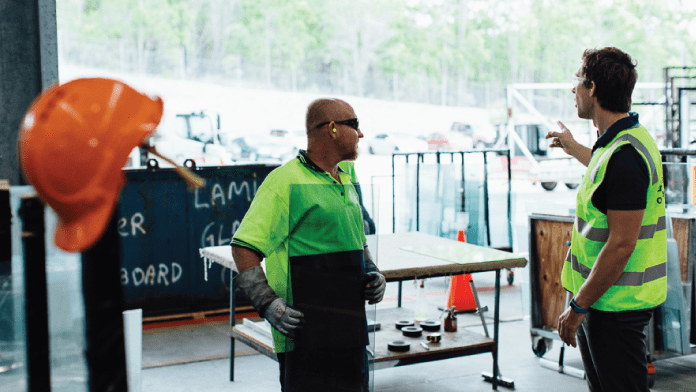
In audiometry, a “Hearing Threshold Level” (or HTL) is defined as: the softest sound a person can hear, 2 out of 3 times or at least 50% of the time”. We find this “Hearing Threshold Level” by using an “audiometer”, an instrument used to test a person’s hearing sensitivity. A person with normal hearing should have a “Hearing Threshold Level” of 20 dB or less at all frequencies.
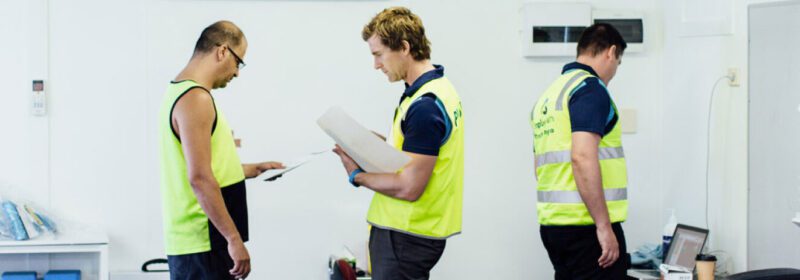
Audiometry must be carried out in an environment which is relatively free from noise, for two reasons:
1. To prevent disturbance / distraction by outside noise during the test.
2. To ensure that zero dB of the hearing threshold level can be achieved by reducing background noise levels.
If the background noise is too high, the results from the audiogram will be incorrect as the background noise will decrease the patient’s ability to hear the very softest sounds.
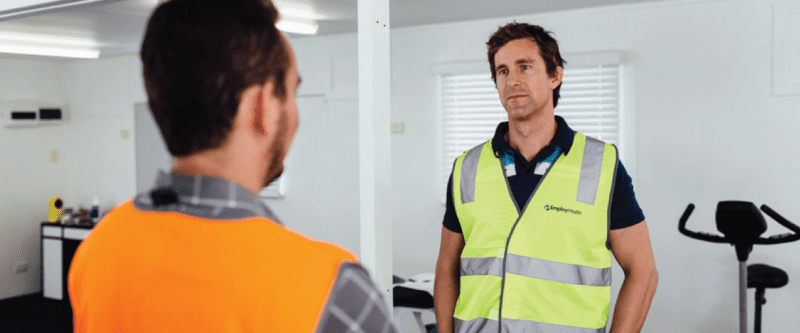
Ongoing monitoring testing can be conducted over a period of time to assist in ensuring that there are no future noise risks to the workplace or workers.
Employ Health partners with businesses to provide integrated workplace health solutions. We treat hearing test programs as an opportunity to engage with your workforce to improve their health and the health of your business and can incorporate hearing test programs into an overall vision to transition your business from reactive to proactive and predictive workplace health.
Our team of workplace physiotherapists are trained in workplace audiometric testing allowing them to conduct baseline hearing tests at pre-employments screening and also monitoring tests as required.
An audiometry exam tests how well your hearing functions. It tests both the intensity and the tone of sounds, balance issues, and other issues related to the function of the inner ear.
If as an employer you issue hearing protection to your employees, then the WHS/OHS Act/Regulations in your state requires an employer to submit its employees for Audiometric testing once every 2 years, or more frequently if your employees are exposed to higher levels of hazardous noise.
They can if they wish to, but would ideally involve a discussion with the relevant workplace managers to understand their reasons.
We include as part of our service a complete summary of the audiometric screening test results, and an analysis of employee tests with previous results and all relevant documentation to achieve legal compliance.
Opportunities, Risks & How to Make Sense of It 700+ attendees. 70+ speakers. 30+ exhibitors.
Read more
March marks Sleep Awareness Month.It is a time to reflect on one of the most overlooked factors affecting workplace health, safety and productivity: sleep.
Read more
Why overlapping work activities can create hidden safety risks
Read more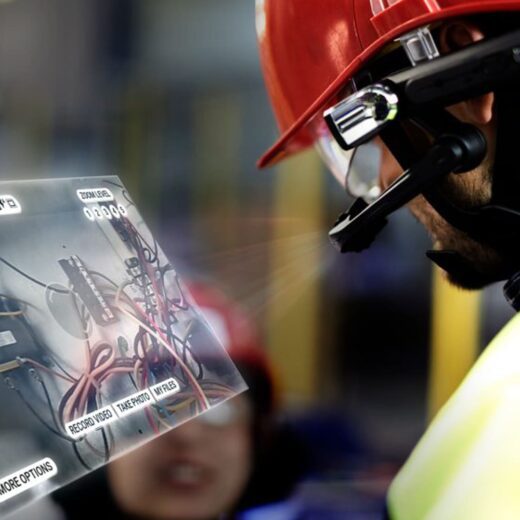
What the Latest FDA Update Means for Employers and Health Professionals
Read more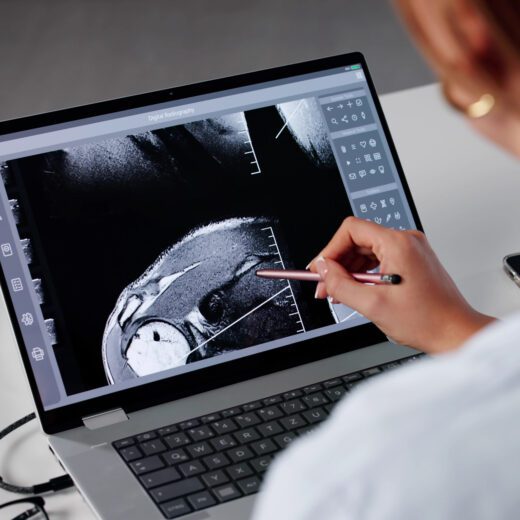
—Why Onsite Physiotherapy Matters More Than Imaging in Workplace Shoulder Pain
Read more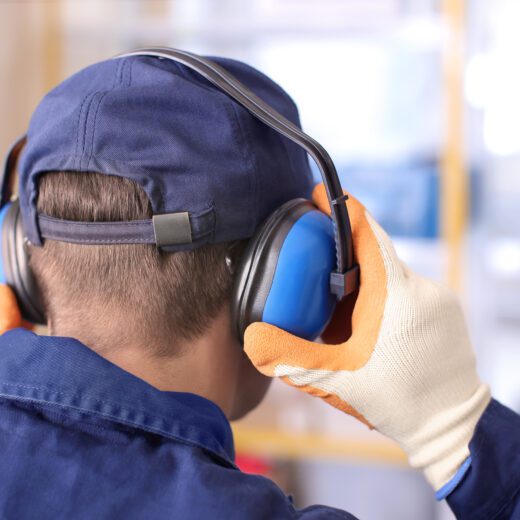
The amendments to the Work Health and Safety Regulation 2011 are now in effect. Since 29 July 2025, PCBUs are required to provide mandatory...
Read more
–What It Means for Employers, Risk and Prevention
Read more Read more

Secondary psychological injury often emerges during physical injury recovery — not from the original workplace event, but from uncertainty, leadership response and system design....
Read more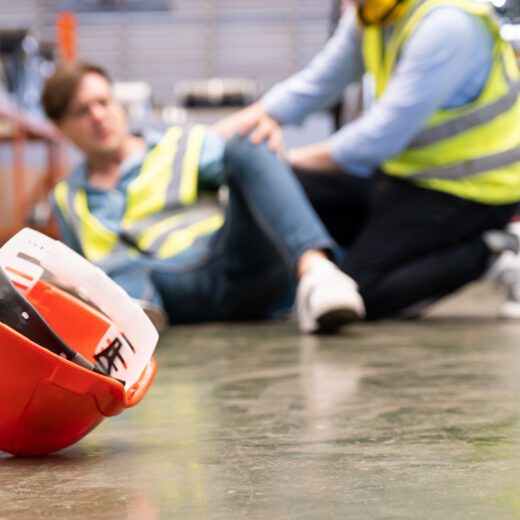
Read more

The People at Work (PAW) survey has been a widely used tool for assessing psychosocial hazards in Australian workplaces. However, Safe Work Australia has...
Read more
After a long-awaited two-week vacation, a veteran manufacturing worker returns to the production line feeling refreshed. Within days, he wrenches his back lifting a...
Read moreCan’t find what you’re after?
View all articles